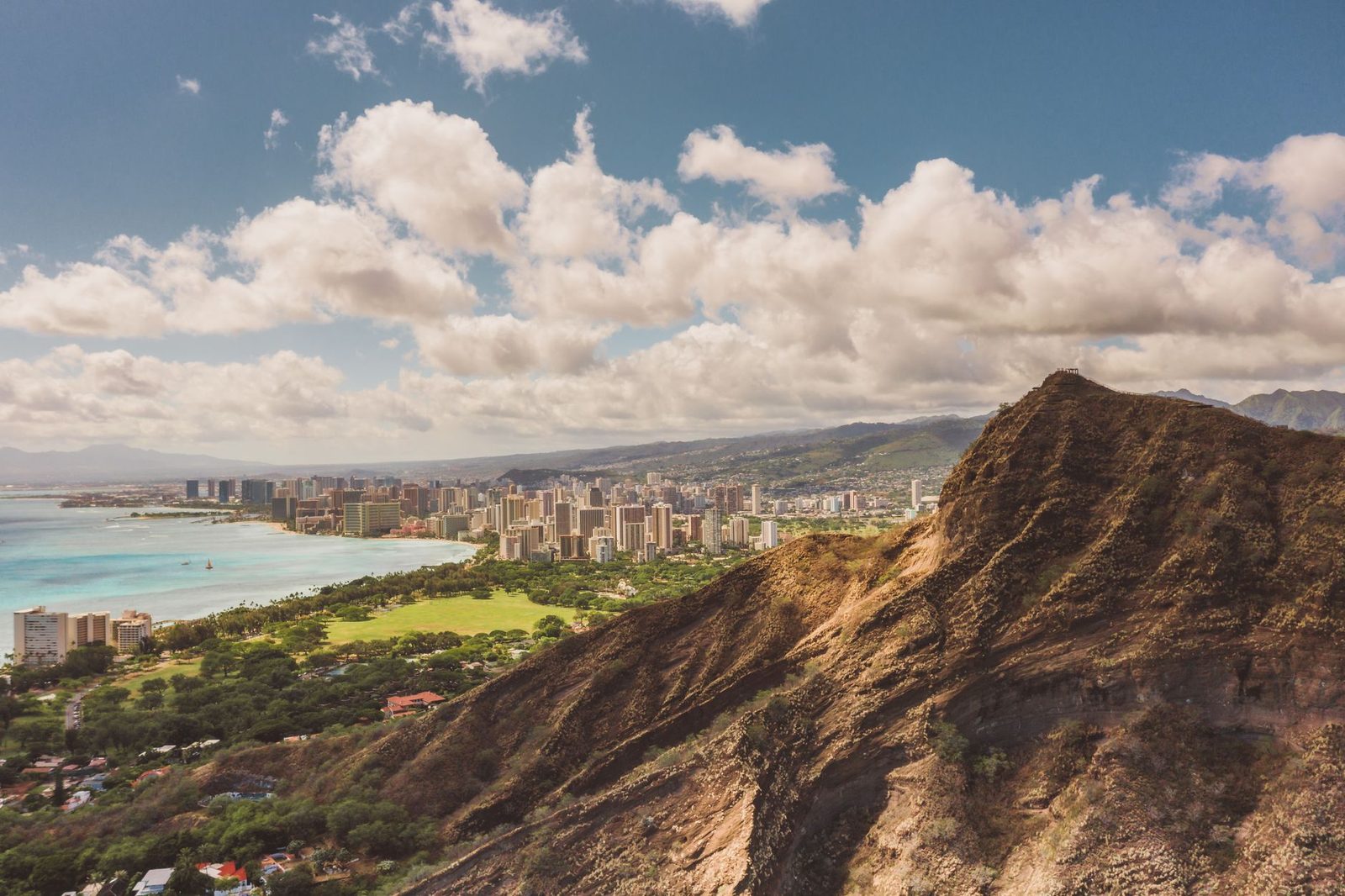
The island with the state's only large city on it. Waikīkī, Ko Olina and Turtle Bay sit at one end of the rental spectrum; the residential Central and Leeward towns sit at the other, and the gap between them is mostly a zoning question.
14markets on this island
5verified companies covering them
HNLthe airport your guests land at
Photo by Jess Loiterton on Pexels · free-licence stock
The local reality
Oʻahu is where the paperwork question comes first and the marketing question second. Two condos four miles apart can be in completely different regimes, so the honest first step is asking the City & County of Honolulu which stay lengths your parcel allows — before you sign anything with a manager.
Full-service, US-wide with Hawaiʻi market pages Fee published
Its pricing is public: 20% full-service, 10% on the partner tier, plus a one-time onboarding retainer. That matters more in Hawaiʻi than almost anywhere, because every other company in this comparison makes you book a call before they will name a number. One Fine BnB's management.
Published fee20% full-service, 10% on the partner tier, plus a one-time onboarding retainer
A building-by-building Waikīkī specialist rather than an island-wide manager — useful if you own in one of the towers it already covers.Read from its own website:
Describes itself as a full-service real-estate company specialising in Waikīkī vacation-rental management.
Features eight Waikīkī buildings: Ilikai Hotel and Suites, Ilikai Marina, The Windsor, Discovery Bay, The Tradewinds, Chateau Waikiki, Canterbury Place and Harbor Square.
Offers short- and long-term rentals alongside real-estate sales.
Its published service list is residential tenancy management — tenant screening and rent collection, not nightly turnovers. Relevant if your Oʻahu property is a 30-day-plus market rather than a nightly one.Published on its own site:
Licensed Hawaiʻi real-estate brokerage, founded 2009.
Oʻahu — Waikīkī, Kapiʻolani Park and the Honolulu skyline seen from the rim of Diamond Head crater, Oʻahu · Photo by Jess Loiterton on Pexels
How the Oʻahu markets differ from each other
Owners tend to think in islands and managers tend to work in markets, which is why an island-level
shortlist is only ever a starting point. On Oʻahu the practical differences between markets show
up in four places: the kind of property you own, how the year moves, how far help has to travel, and who
turns up at the door.
Honolulu: The one market in Hawaiʻi where a manager can genuinely reach you fast — until traffic decides otherwise.
Waikīkī: Everything is walkable, which sounds simple until you factor in loading zones, service lifts, key handover rules and a front desk that may or may not cooperate.
East Honolulu: Twenty minutes from town when the H-1 behaves and considerably more when it does not.
Kailua: Over the Pali or the Likelike from town, which puts most trades on the far side of a mountain.
Kāneʻohe: The wettest side of the island and the most maintenance-hungry.
Ko Olina: Inside the gate, everything is close; outside it, you are thirty minutes or more from the trades and supply concentrated in town.
Kapolei: Flat, new and easy to service, with a good supply of trades who live on this side of the island.
ʻEwa Beach: Dry, sunny and easy to work in, with the trades of the ʻEwa plain nearby.
Pearl City: Central, well connected and close to almost everything on the island's south side, which keeps trade call-outs cheap by Hawaiʻi standards.
Waipahu: Central Oʻahu location with good access to trades, but older housing stock means the maintenance calendar is driven by plumbing and electrical age rather than by guests.
Mililani: Cooler and wetter than the coast, easy to service, and unusually consistent in build quality — which makes maintenance planning simpler than almost anywhere else on Oʻahu.
Waiʻanae Coast: The longest drive from town of any Oʻahu market.
Turtle Bay & Kahuku: Forty-five minutes to an hour from town for anything you cannot source locally.
Read the two or three that match your property before you call anyone. The question a manager cannot
fake is a local one, and every market page here ends with the local question worth asking.
What to have ready before you start calling
Five things turn a vague conversation into a real quote: your address and tax map key, the building or
association name if there is one, the stay lengths your parcel actually allows, whether you intend to use
the property yourself and how often, and what you currently pay for cleaning. Managers who are given
those five facts quote properly. Managers who are not will quote a range, and a range is not something you
can compare against anything.
The first of those five is the one owners most often skip. Confirm it with the county rather than with
a manager — the stay-length question sets out how to ask so
that you get a usable answer about your specific parcel rather than a general one about the island.
Where the money question sits
Across Oʻahu, almost every company quotes per property on a call rather than publishing a
rate. That is a market convention rather than a warning sign, but it does mean the only advance
comparison available to you is against a company that does publish. Ours does — 20% full-service, 10% on the partner tier, plus a one-time onboarding retainer —
which is why it sits first on this page, labelled as ours: Airbnb management fees.
Oʻahu questions
How many managers on Oʻahu publish a fee?
Of the companies we could verify here, 0 publishes a rate on its own website and the rest ask you to call. That is not a judgement about their service — it is a fact about how the market prices itself.
What should I have ready before the first call?
Your address and TMK, the building or association name if there is one, the stay lengths you are willing to run, whether you plan owner stays, and what you currently pay for cleaning. With those five things a manager can quote properly instead of vaguely.