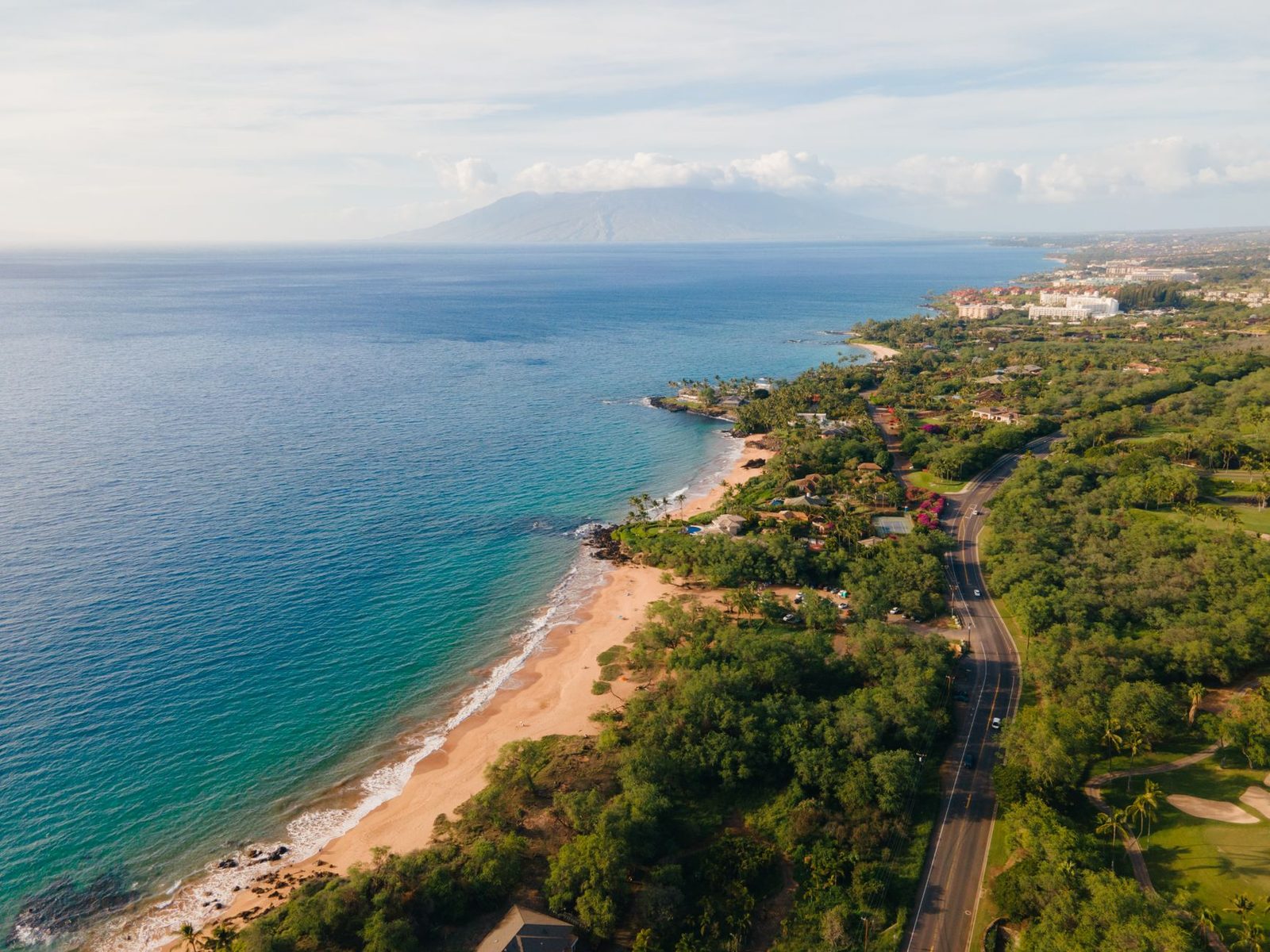
A condo-resort island. South Maui (Kīhei, Wailea, Mākena) and West Maui (Lahaina, Kāʻanapali, Kahana, Nāpili, Kapalua) hold most of the professionally managed inventory, and most of it is in AOAO-governed buildings rather than standalone homes.
9markets on this island
6verified companies covering them
OGGthe airport your guests land at
Photo on Pexels · free-licence stock
The local reality
On Maui the building often matters more than the island. An AOAO's rules on check-in, parking, lock boxes and renovation windows will shape your guest experience as much as any manager will, so read the house rules before you compare management quotes.
Full-service, US-wide with Hawaiʻi market pages Fee published
Publishes a two-tier fee — 20% full-service, 10% on the partner tier, plus a one-time onboarding retainer — so you can see in advance which side of the line your property sits on: the tier where somebody else carries the whole operation, or the tier where you keep your own cleaners and hand over the rest. Airbnb property management.
Published fee20% full-service, 10% on the partner tier, plus a one-time onboarding retainer
Resort-branded condo buildings are its whole business; if you own in one of the named towers it already has staff on site.Published on its own site:
Manages 350+ residences from three offices — North Kāʻanapali, Whalers Village and Wailea.
Publishes revenue management and pricing optimisation, marketing and distribution, housekeeping and maintenance, an owner portal and monthly statements.
Advertises dedicated owner support, flexible owner stays and property-transition coordination.
Reads more like an estate-management firm that also rents than a listings shop — worth a call if your property sits empty between owner stays.The published detail:
Maui — The South Maui shoreline at Kīhei from the air, with the West Maui mountains across the bay · Photo on Pexels
How the Maui markets differ from each other
Owners tend to think in islands and managers tend to work in markets, which is why an island-level
shortlist is only ever a starting point. On Maui the practical differences between markets show
up in four places: the kind of property you own, how the year moves, how far help has to travel, and who
turns up at the door.
Kīhei: Everything is close and the trade base is real, which is why several managers run hundreds of units from a single Kīhei office.
Wailea: Short distances, but the standards are higher: presentation, linen quality and response time are all judged against the hotels next door.
Mākena: The end of the road: fewer trades pass by, deliveries take longer, and a manager who is not already down here will not be here quickly.
Māʻalaea: Central to the island, which is an advantage for staffing, but the wind is relentless and it sets the maintenance schedule for screens, lānai furniture and anything exposed to salt spray.
Lahaina: Operating conditions on the west side have changed, and so has the housing picture around them.
Kāʻanapali: Dense, walkable and well staffed — the trade-off is that your unit is compared directly against a hotel room fifty metres away with a front desk attached.
Nāpili & Kapalua: Further from Lahaina's supply and staffing base than Kāʻanapali is, which shows up in response times if a manager is not already working up here.
Wailuku: Central-island location with the island's administrative and trade base on the doorstep, which makes it one of the easier Maui markets to service.
Kahului: Where everything on Maui lands: freight, furniture, linen, trades and staff.
Read the two or three that match your property before you call anyone. The question a manager cannot
fake is a local one, and every market page here ends with the local question worth asking.
What to have ready before you start calling
Five things turn a vague conversation into a real quote: your address and tax map key, the building or
association name if there is one, the stay lengths your parcel actually allows, whether you intend to use
the property yourself and how often, and what you currently pay for cleaning. Managers who are given
those five facts quote properly. Managers who are not will quote a range, and a range is not something you
can compare against anything.
The first of those five is the one owners most often skip. Confirm it with the county rather than with
a manager — the stay-length question sets out how to ask so
that you get a usable answer about your specific parcel rather than a general one about the island.
Where the money question sits
Across Maui, almost every company quotes per property on a call rather than publishing a
rate. That is a market convention rather than a warning sign, but it does mean the only advance
comparison available to you is against a company that does publish. Ours does — 20% full-service, 10% on the partner tier, plus a one-time onboarding retainer —
which is why it sits first on this page, labelled as ours: what managers charge.
Maui questions
How many managers on Maui publish a fee?
Of the companies we could verify here, 0 publishes a rate on its own website and the rest ask you to call. That is not a judgement about their service — it is a fact about how the market prices itself.
What should I have ready before the first call?
Your address and TMK, the building or association name if there is one, the stay lengths you are willing to run, whether you plan owner stays, and what you currently pay for cleaning. With those five things a manager can quote properly instead of vaguely.